Horizon Project BUTTERFLY
Project Information
Title: Mainstreaming pollinator stewardship in view of cascading ecological, societal and economic impacts of pollinator decline
Acronym: BUTTERFLY
DOI: 10.3030/101181930
Start Date: 1 March 2025
End Date: 28 February 2029
Funded under: Horizon – Food, Bioeconomy, Natural Resources, Agriculture and Environment
Total cost: € 7.361.032,25
Coordinated by Universitetet i Bergen, Norway
This project has received funding from the European Union’s Horizon Europe research and innovation programme under grant agreement No 101181930
About BUTTERFLY
BUTTERFLY is a four-year Horizon Europe project that sets out to strengthen society’s capacity to appraise, foresee and respond to the cascading impacts of pollinator decline. Major supply chains for food, bio-materials, medicine and cosmetics depend on pollination, yet that dependency, and the scale of what is at stake, remain poorly understood outside specialist circles.
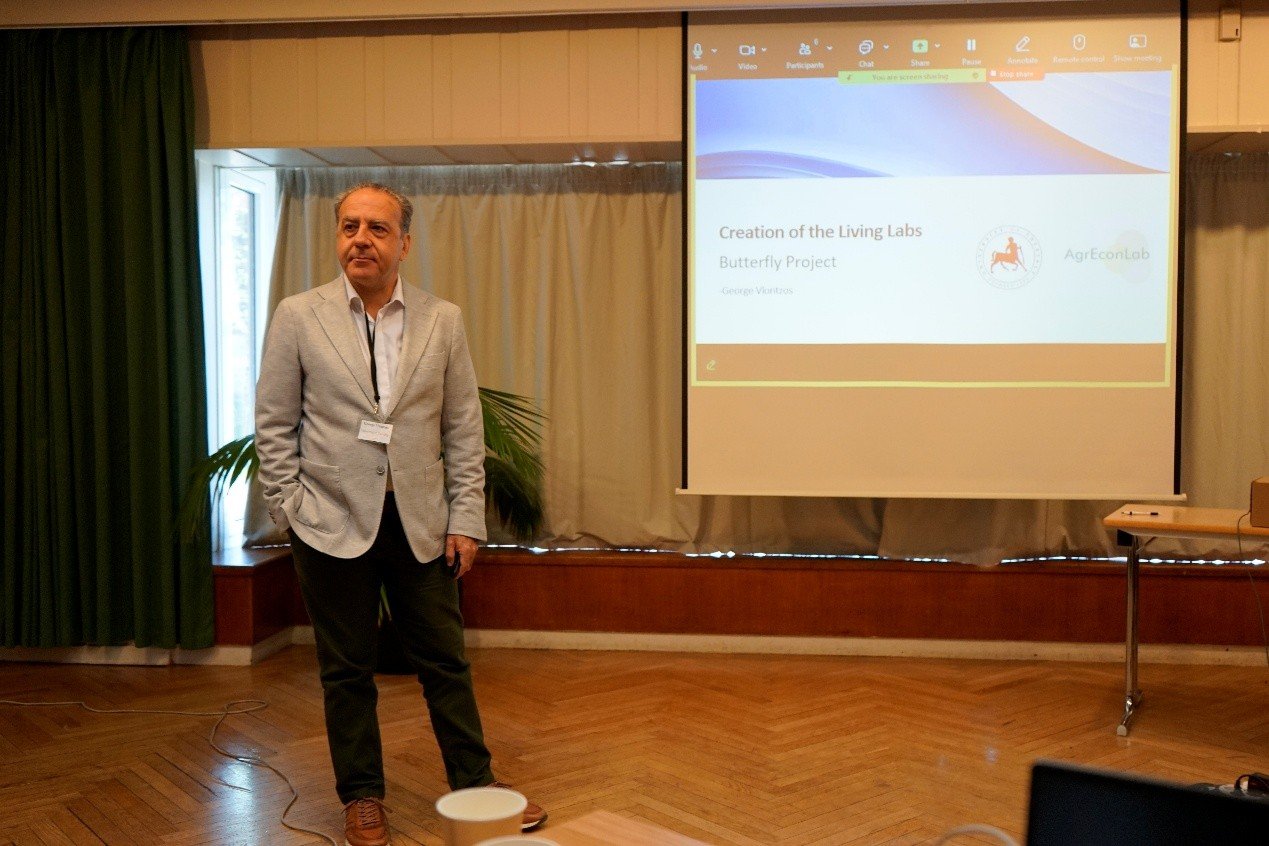
The consortium of 24 partners, coordinated by the University of Bergen, co-creates and tests foresight tools and restoration practices through a network of Living Labs across Europe and three overseas sites.
Context
Steep pollinator declines threaten interconnected ecological and economic systems. The consequences reach beyond biodiversity into food security, nutrient supply and every industry that depends on plant–pollinator networks.
BUTTERFLY works on the premise that small, well-chosen pollinator restoration efforts can cascade into large benefits, provided that society can see and value what pollinators contribute.
Our Objectives
- Compile comprehensive knowledge on pollinators and pollination services across Europe.
- Assess the economic and the non-economic values that pollinators provide to society.
- Analyse the economic impacts of pollinator decline on national economies.
- Identify and strengthen supply chains that depend on pollination, from food to medicine, cosmetics, materials and bioenergy.
- Develop practical tools that let farmers, businesses and policymakers integrate pollinator protection into their decisions.
- Draw on social and cultural values to inspire public action for pollinator conservation.
- Establish regional networks for collaborative knowledge-sharing and implementation.
- Coordinate with related projects and organisations to inform EU policy.
Our role
The University of Thessaly is one of the 24 consortium partners. The Agricultural Economics and Consumer Behaviour Lab contributes to the economic assessment of pollinator decline and to the multi-actor work carried out through the project’s Living Labs.
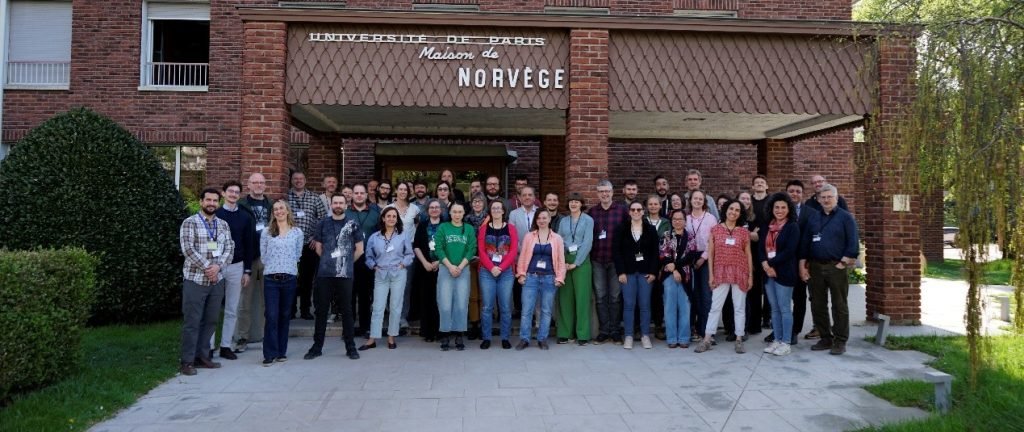
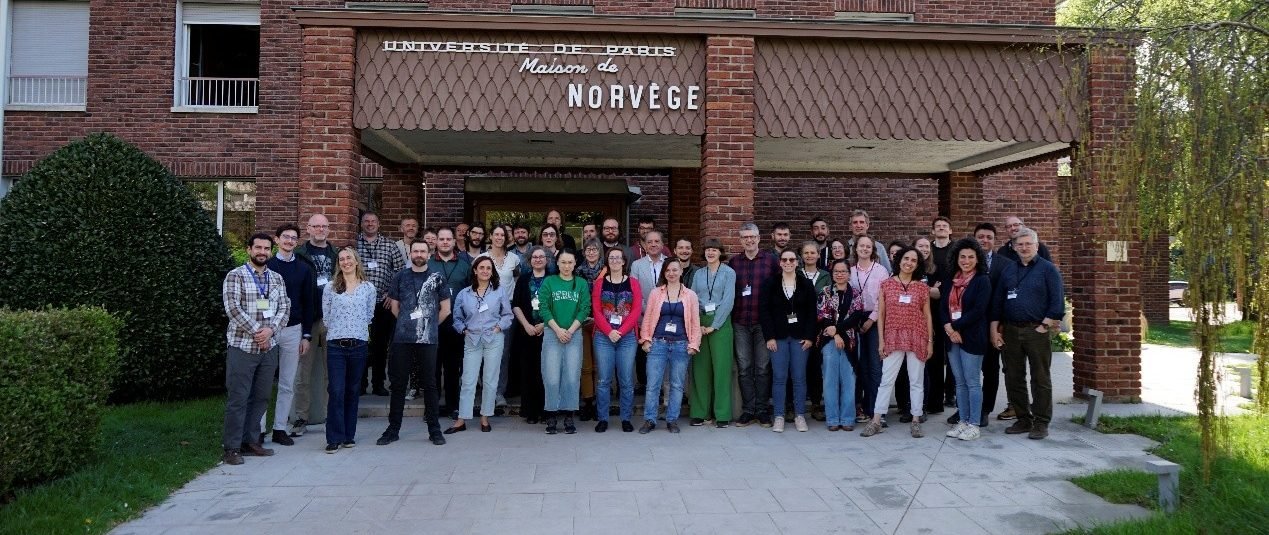
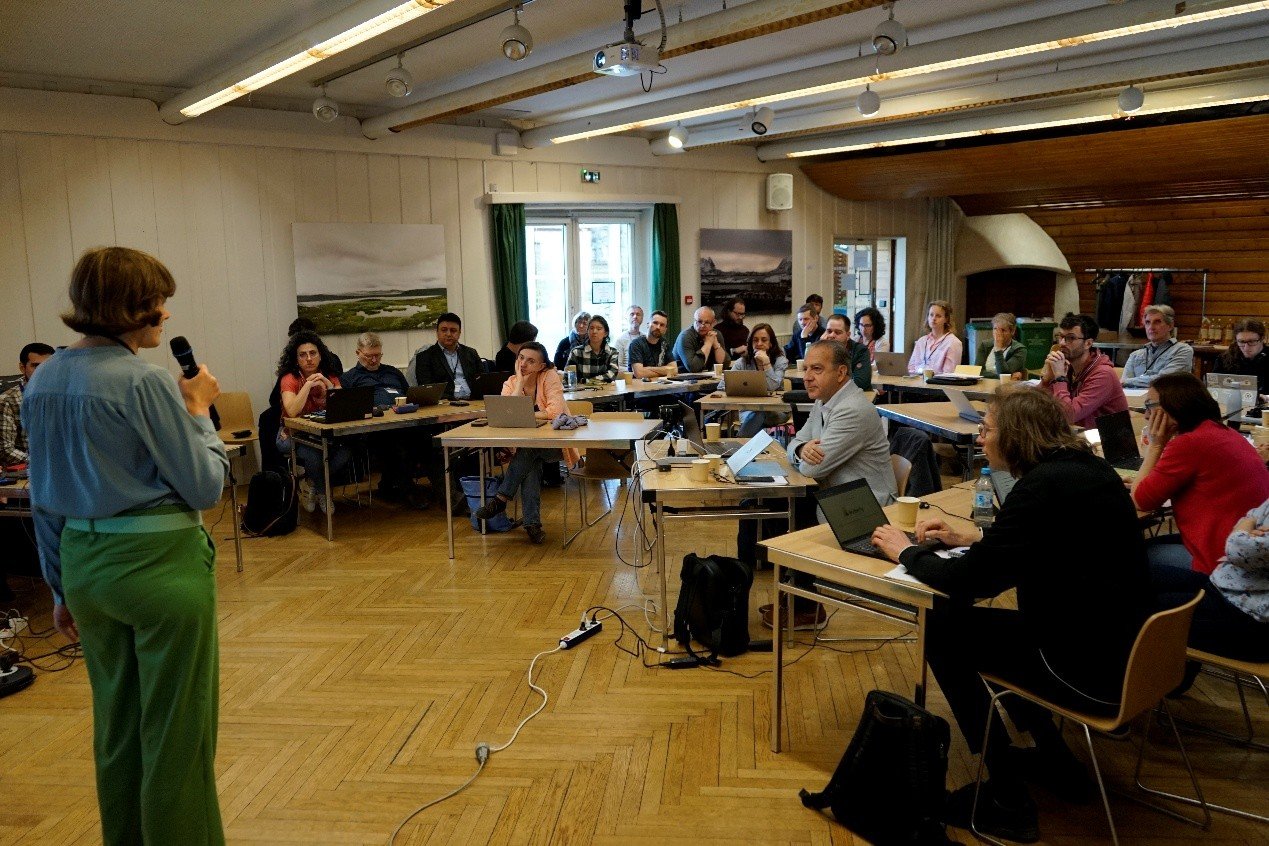
Photo Gallery
This project has received funding from the European Union’s Horizon Europe research and innovation programme under grant agreement No 101181930. Views and opinions expressed are however those of the author(s) only and do not necessarily reflect those of the European Union or the granting authority. Neither the European Union nor the granting authority can be held responsible for them.